Claude Emerges as Top AI Agent in Enterprise Chatbot Race
By admin | Apr 12, 2026 | 3 min read
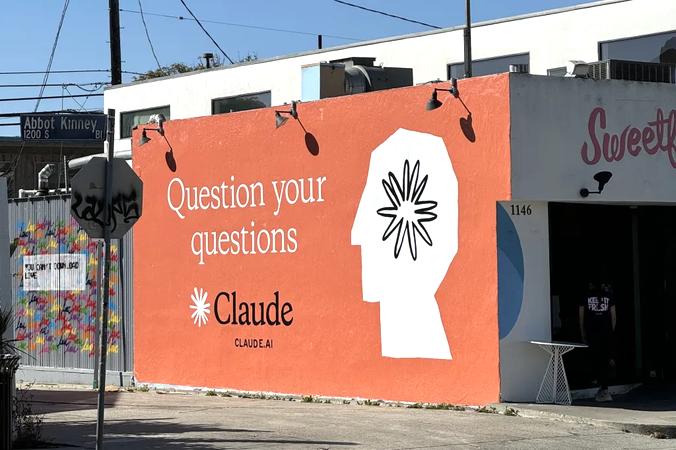
This week at the HumanX AI conference in San Francisco, thousands of technology professionals gathered at the Moscone Center. The conversations centered on how agentic AI is transforming the industry. These agents, which automate business and coding processes, are being adopted across various sectors, primarily through enterprise and consumer chatbots. I was particularly interested in identifying the most favored chatbot, and one name was repeatedly mentioned: Claude. Anthropic's creation received frequent praise during panel discussions and was a common point of conversation with vendors on the exhibition floor.
EMBED_PLACEHOLDER_0
In contrast, I heard very little discussion about ChatGPT. One vendor explicitly noted that his team relies heavily on Claude, expressing a belief that ChatGPT and OpenAI have declined in quality—a sentiment often echoed online as having "fell off."
This perspective is becoming increasingly common. Despite OpenAI's recent $122 billion funding round and its impending IPO, there is a growing perception that the company has lost its direction or is uncertain about its next steps. A perceived lack of focus is part of the issue. Last month, OpenAI discontinued several long-developing projects, such as its Sora AI video generator and a controversial plan for a "sexy" ChatGPT variant, choosing instead to concentrate on business and coding services.
Simultaneously, several developments have generated negative attention. A recent New Yorker article casting doubt on the trustworthiness of CEO Sam Altman contributed to this buzz. The company's collaborations with the Trump administration and its choice to introduce advertising into ChatGPT have also been unpopular. During a HumanX discussion, Bret Taylor, co-founder and CEO of Sierra and chairman of OpenAI's board, defended Altman in response to questions about the New Yorker profile. "I think Sam is one of the most visible leaders and executives in the world," Taylor stated. "If you want to seek out detractors for him, you’ll find them, and they’ll be very vocal about it." He added, "I think Sam’s remarkable. I think he’s a remarkable leader of AI, and I really trust his character as someone who’s worked with him."
These controversies and shifts in strategy can make OpenAI appear reactive rather than strategically driven, as if it is merely responding to events instead of leading them. However, in terms of market presence and revenue, OpenAI and Anthropic are closely matched. Some data indicates Anthropic is gaining ground among business users. A recent Wall Street Journal analysis of their finances described both as "the fastest-growing businesses in the history of tech."
In this context, OpenAI's perceived "falling off" might simply mean it is no longer the unchallenged leader. It now faces serious competition, which is a normal state in most industries. What remains evident is OpenAI's determination to maintain its dominance. This week, the company introduced a new $100 subscription tier for ChatGPT, offering significantly greater access to its Codex coding tool. This move seems strategically aimed at encouraging wider use of its platform and potentially drawing users away from Claude Code.
During a HumanX conversation with Bloomberg reporter Rachel Metz, Srinivas Narayanan, OpenAI's CTO of B2B applications, highlighted the rapid pace of technological change. "We are in this incredible moment in technology, where every month, and sometimes every day, we are all looking forward to something new," Narayanan said. Using agentic coding as an example, he noted, "We knew AI was going to impact software engineering, people have been using assistive coding over the last year, but even in just the last few months, the entire field has changed."
Agentic achievements are currently a major focus for the tech community, especially as other potential AI applications in creative and scientific fields have yet to fully materialize. Nevertheless, the volume of work companies are already delegating to these automated assistants is notable. As Narayanan observed, this significant shift has occurred in a remarkably short time. In such a dynamic and unpredictable landscape, the future remains entirely open.
RELATED ARTICLES

Comments
Please log in to leave a comment.

No comments yet. Be the first to comment!