California Senator Proposes Four-Year Ban on AI Chatbot Toys for Minors
By admin | Jan 06, 2026 | 2 min read
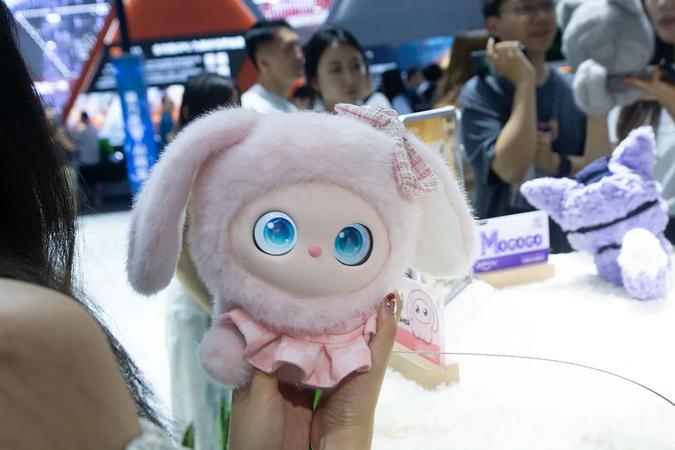
On Monday, Senator Steve Padilla (D-CA) proposed legislation that would impose a four-year prohibition on the manufacturing and sale of AI chatbot-enabled toys for individuals under 18. The measure aims to provide safety regulators a window to establish protections against what the bill terms “dangerous AI interactions” for children.
“While chatbots and AI tools may one day be commonplace, the risks they currently present demand decisive steps to safeguard our kids,” Senator Padilla stated. “Our regulatory framework for this technology is just beginning and must expand as rapidly as the technology itself. Halting sales of these integrated toys gives us the necessary time to develop proper safety standards and guidelines.”
The proposed bill, SB 287, follows a recent executive order from President Trump instructing federal agencies to legally contest state AI regulations—though the order specifically exempts state laws focused on child safety. This legislative effort also responds to a series of alarming incidents linking AI and chatbots to harm involving children. Over the last year, lawsuits from families who lost children to suicide after extensive chatbot conversations have galvanized legislative action. Padilla previously co-authored California’s SB 243, enacted recently, which mandates that chatbot operators install protections for children and vulnerable users.
Although AI toys are not yet widespread, reports of disturbing interactions have already surfaced. In November 2025, the consumer advocacy organization PIRG Education Fund cautioned that toys such as Kumma—a plush bear with an integrated chatbot—could be readily coaxed into discussing matches, knives, and sexual subjects. Separately, NBC News reported that Miiloo, an “AI toy for kids” produced by the Chinese company Miriat, occasionally indicated it was designed to echo Chinese Communist Party values.
Notably, OpenAI and Mattel, the company behind Barbie, had planned to launch an “AI-powered product” in 2025 but postponed its release. Neither firm provided an explanation for the delay, and it remains uncertain if a toy will be introduced in 2026.
“We cannot allow our children to be treated as lab rats for Big Tech’s experiments,” Padilla emphasized.
RELATED ARTICLES

Comments
Please log in to leave a comment.

No comments yet. Be the first to comment!