Canva Launches First In-House AI Image Generation Model Canva Craft to Rival Google, OpenAI, ByteDance and Meta
By admin | Oct 22, 2026 | 2 min read
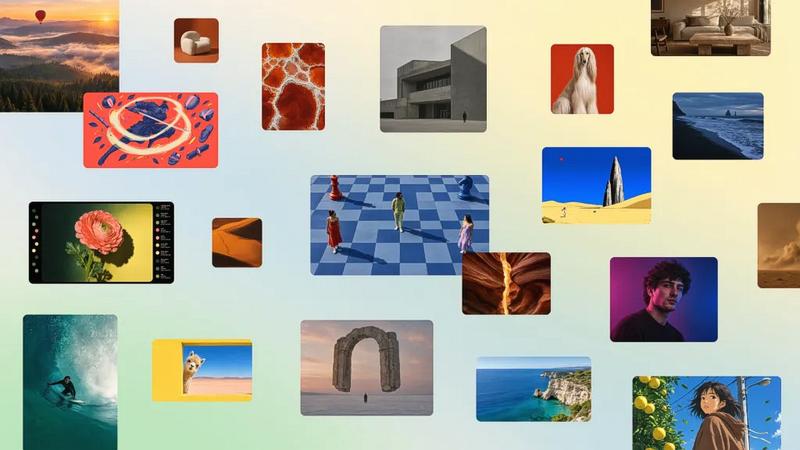
Canva has unveiled its first-ever image generation model, dubbed Canva Craft, which was built in-house by the company's research team to take on similar offerings from Google, OpenAI, ByteDance, and Meta.
EMBED_PLACEHOLDER_0
The model operates in two distinct stages. During the first stage, it analyzes user prompts and formulates a plan that includes specifics such as the spatial relationships between elements, relative scale, visual hierarchy, and information needed for text generation. In the second stage, the model produces an image at up to 2K resolution across as many as 30 different aspect ratios suited to various platforms. According to Canva, this two-stage approach enables the creation of images with accurate object details and legible text, while also letting users make precise edits without altering other portions of the image.
Notably, rather than training the model on photographs, Canva used design as its training foundation—drawing on human-designed templates from its library, including posters, social posts, presentations, infographics, menus, and typography-heavy layouts. As a result, images generated with Canva Craft can be converted into layered designs using Canva Magic, the company's image-to-design transformer. The platform released its own model capable of understanding designs and layers last year.
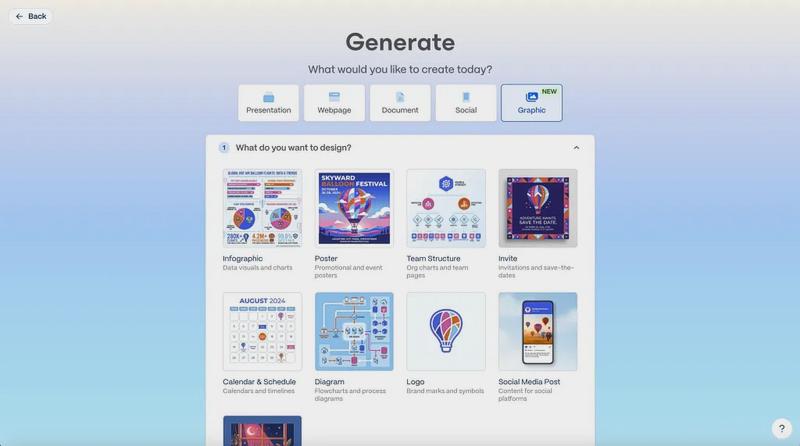
Canva Craft is now available to all users on the platform, accessible via the Dream Lab tab. It will also be offered through the Canva API, and the company intends to support image generation in third-party chatbots such as ChatGPT and Gemini via Canva's MCP.
Canva has relied on a variety of image models for generation across its platform, so the new models will likely help the company reduce API costs. Beyond cost savings, Canva said the new model gives the platform improved control over quality and speed. In 2024, Canva acquired media generation platform Leonardo.ai, and researchers from Leonardo contributed to the new image model.
Canva also said it is developing two cost-efficient versions of the model, called Craftfast and Craft-ultrafast, which will be released soon. The company was on track for $4 billion in revenue last year. However, it lowered its growth forecast for 2026, which reportedly caused its valuation to fall from $42 billion to $35 billion, according to external analysts.
RELATED ARTICLES
Comments
Please log in to leave a comment.

No comments yet. Be the first to comment!