OpenAI Launches Ad Tests for Free and Go Users, Excludes Paid Subscribers
By admin | Feb 09, 2026 | 2 min read
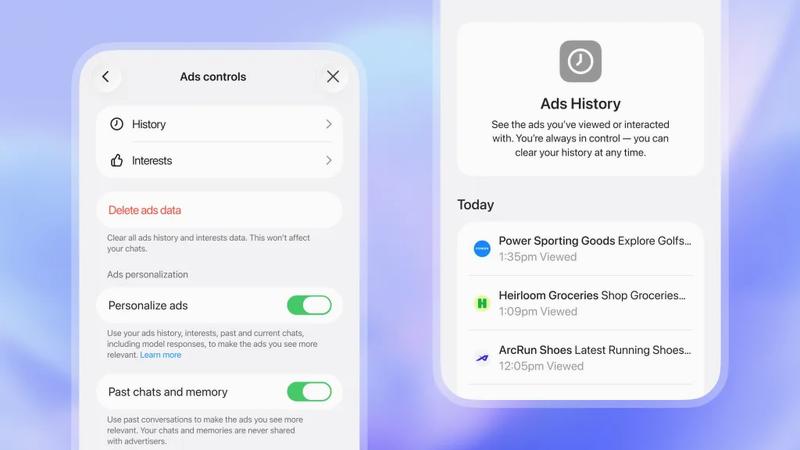
On Monday, OpenAI revealed it is starting a trial of advertisements for users on its Free and Go subscription tiers in the United States. The Go plan, a budget-friendly option priced at $8 monthly in the U.S., was rolled out worldwide in mid-January. The company clarified that subscribers to its paid plans—Plus, Pro, Business, Enterprise, and Education—will not encounter any ads.
In a blog post, OpenAI addressed potential worries about how advertising might impact the user experience. The company stated: “Ads do not influence the answers ChatGPT gives you, and we keep your conversations with ChatGPT private from advertisers. Our goal is for ads to support broader access to more powerful ChatGPT features while maintaining the trust people place in ChatGPT for important and personal tasks.”
This initiative, which was first announced last month, became the target of satire during yesterday’s Super Bowl in a series of commercials from leading rival Anthropic. The TV spots mocked the notion that some AI firms, like OpenAI, would soon incorporate ads by illustrating how poorly executed advertisements could interrupt the consumer experience. The commercials featured actors portraying AI chatbots with vacant expressions, delivering advice alongside irrelevant and intrusive ads.
OpenAI CEO Sam Altman reacted sharply to these competitive jabs, labeling the ads as “dishonest” and calling Anthropic an “authoritarian company.”
So far, consumers have shown resistance to the idea of ads within AI responses. OpenAI encountered significant pushback late last year when it experimented with app suggestions that many users perceived as unwanted advertising. Nevertheless, the AI company must find ways to monetize its widely used chatbot to fund ongoing technology development and business growth.
While this financial pressure is understandable, critics express concern that ads could subtly sway ChatGPT’s responses. OpenAI firmly denies this possibility in its announcement, emphasizing that ads will be optimized based on “what’s most helpful to you.” The company also notes that all ads will be clearly marked as sponsored and distinctly set apart from organic content.
During testing, OpenAI has explored matching ads to users by analyzing conversation topics, past chats, and previous ad interactions. For example, someone researching recipes might see promotions for grocery delivery services or meal kits.
OpenAI assured that advertisers will not have access to individual user data, only aggregated metrics on ad performance such as views and clicks. Users will have the ability to review their history of ad interactions and clear it at any time. Additionally, they can dismiss ads, provide feedback, see why a particular ad was shown, and adjust their ad personalization settings.
The company has implemented safeguards: ads will not be displayed to users under 18 years old, and they will not appear near sensitive or regulated topics, including health, politics, or mental health discussions.
RELATED ARTICLES

Comments
Please log in to leave a comment.

No comments yet. Be the first to comment!