Google Launches Universal Commerce Protocol to Revolutionize AI Shopping Agents
By admin | Jan 11, 2026 | 5 min read
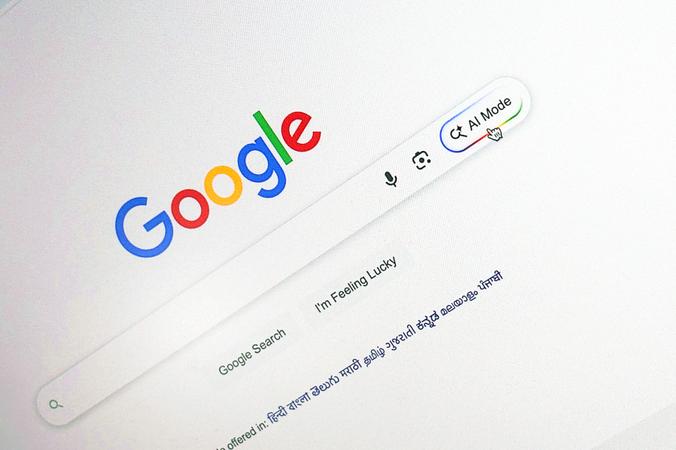
Google has introduced a new open standard named the Universal Commerce Protocol (UCP) for AI-driven shopping, unveiled at the National Retail Federation (NRF) conference. Developed in collaboration with major retailers such as Shopify, Etsy, Wayfair, Target, and Walmart, this protocol enables AI agents to operate seamlessly across various stages of the customer journey, from product discovery to post-purchase assistance. The central concept is that a single standard can streamline these diverse processes, eliminating the need for multiple connections with different agents.
Google emphasized that UCP is compatible with other agentic protocols, including the Agent Payments Protocol (A2P) announced last year, Agent2Agent (A2A), and the Model Context Protocol (MCP). The company clarified that both AI agents and businesses can select specific extensions of the protocol to meet their unique requirements. 
In the near future, Google plans to implement UCP for eligible product listings in AI mode within its search and Gemini apps. This will allow shoppers in the U.S. to complete purchases directly from retailers while researching products. Users can pay via Google Pay and utilize shipping information stored in Google Wallet, with PayPal support coming soon. Shopify CEO and founder Tobi Lutke highlighted the potential of agentic technology, stating, “It’s really good at finding people who have specific interests and finding the product that is just perfect for them. Like, I would have never searched for this product, but somehow it found me right on the other side. This kind of serendipity is where the best of commerce happens.”
Notably, Shopify also revealed a similar integration with Microsoft Copilot for shopping, enabling easy checkout within conversational flows. In another consumer-focused update, Google will now permit brands to offer special discounts to users seeking product recommendations in AI mode. For example, when searching for a rug with a query like “I’m looking for a modern, stylish rug for a high-traffic dining room. I host a lot of dinner parties, so I want something that is easy to clean,” brands can configure campaigns to present a discount at that precise moment. 
Google is also introducing new data attributes in the Merchant Center to help sellers better showcase their items on AI search surfaces. Companies like PayPal and OpenAI are similarly working to enhance product discoverability in AI chatbot results, while startups such as the prompting company collaborate with merchants to feature products within AI-generated answers. Additionally, Google now allows merchants to integrate an AI-powered Business Agent on their websites to address customer inquiries, with retailers like Lowe’s, Michael’s, Poshmark, and Reebok already adopting this tool. Competitors including Meta and Shopify have been exploring AI-powered solutions for customer support and outreach.
The search giant further announced Gemini Enterprise for Customer Experience (CX), a suite designed to manage shopping and customer service for retailers and restaurants. This move aligns with broader industry trends, as companies like Google, Amazon, Walmart, and OpenAI continue to release new standards and products aimed at integrating AI into every aspect of shopping, both for consumers and merchants. Earlier this month, Adobe reported a 693.4% increase in traffic to seller sites driven by generative AI during the holiday season, though the study did not specify how much of this traffic resulted in actual sales.
RELATED ARTICLES



Comments
Please log in to leave a comment.

No comments yet. Be the first to comment!