Google DeepMind CEO Questions OpenAI's Rush to Ads in AI Chatbots
By admin | Jan 22, 2026 | 3 min read
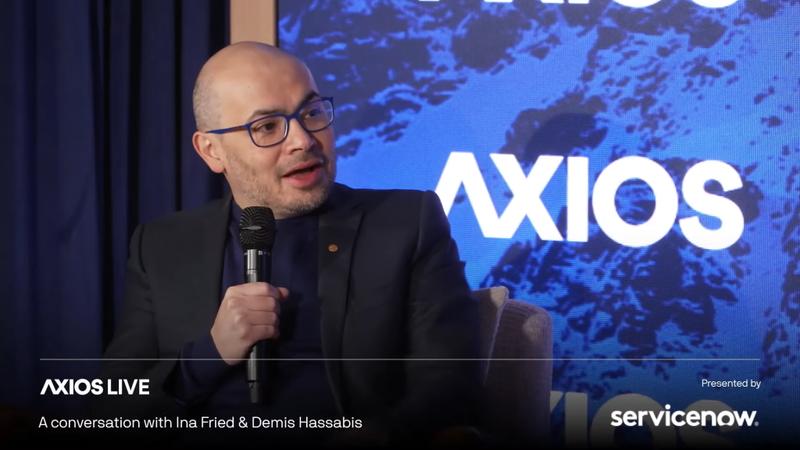
Demis Hassabis, CEO of Google DeepMind, expressed that he is "surprised" by OpenAI's early move to incorporate advertisements into its AI chatbot. During an interview at Davos, when asked about monetizing AI services through ads, Hassabis explained that his team is considering the idea "very carefully."
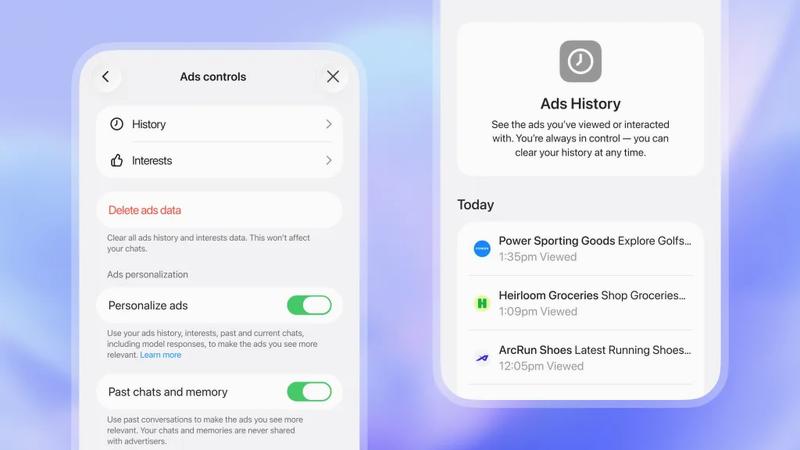
He emphasized that Google is not under pressure to make a rushed decision regarding advertising, despite its central role in the company's business. These comments came after OpenAI announced it would begin testing ads to generate additional revenue from its 800 million weekly active users who do not have a paid subscription. While OpenAI may be exploring ads due to rising infrastructure and energy costs, this shift could alter how users perceive the service.
"I’m a little bit surprised they’ve moved so early into that," Hassabis remarked about OpenAI's adoption of ads. He clarified, "I mean, look, ads, there’s nothing wrong with ads…they funded much of the consumer internet. And if done well, they can be useful." However, he raised concerns about how advertisements align with the role of an AI assistant. "But in the realm of assistants, and if you think of the chatbot as an assistant that’s meant to be helpful - and ideally, in my mind, as they become more powerful, the kind of technology that works for you as the individual…there is a question about how ads fit into that model. … You want to have trust in your assistant, so how does that work."
Reiterating earlier statements from Davos, Hassabis confirmed that Google currently has "no plans" to introduce ads into its AI chatbot. Instead, the company intends to observe user reactions closely. There has already been notable consumer pushback against the idea of ads appearing in conversations with AI assistants. For example, when OpenAI recently tested a feature suggesting apps during chats, users responded negatively, viewing these prompts as intrusive advertisements. OpenAI later disabled the suggestions, stating they were not ads since they had "no financial component."
User frustration stemmed not from financial transactions but from how the suggestions diminished the quality of the experience—a concern Hassabis shares. He highlighted the fundamental difference between using a chatbot and Google Search. With Search, user intent is clear, allowing for potentially useful ads. In contrast, chatbots are designed to act as personalized digital assistants, integrated into various aspects of daily life. "I think that’s very different from the search use case. So I think there, that has to be thought through very carefully," he added.
Enhancing Gemini's usefulness for individual users is also a priority, as seen in newly launched personalization features for Google's AI Mode. Users can now opt to allow Gemini to access their Gmail and Photos for tailored responses in Search's AI Mode, similar to a recent Personal Intelligence feature in the Gemini app that references Gmail, Photos, Search, and YouTube history.
While personalized ad targeting supports many free online services, introducing ads during conversations with an AI assistant can feel disruptive. This sentiment led to customer rejection of Amazon's earlier attempts to integrate ads into Alexa—users preferred an assistant over a tool promoting purchases.
Hassabis noted that he does not feel pressured to force ads into Google's AI products, though he acknowledged there might be appropriate ways to incorporate them in the future. "We don’t feel any immediate pressure to make knee-jerk decisions like that - I think that’s been the history of what we’ve done at GoogleMind - is be very scientific, and rigorous, and thoughtful about each step that we take - be that the technology itself or the product," he stated.
RELATED ARTICLES


Comments
Please log in to leave a comment.
No comments yet. Be the first to comment!