Nvidia CEO Jensen Huang Admits Affair With Alleged Chinese Spy, Complicating AI Chip Export Stance
By admin | Nov 09, 2026 | 3 min read
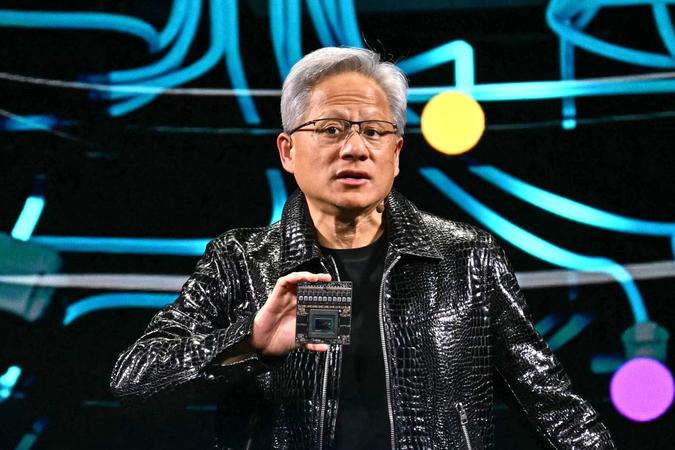
Nvidia CEO Jensen Huang has consistently advocated for the United States to keep selling AI chips to China rather than cutting the country off from the technology. However, recent disclosures about a personal relationship have the potential to complicate that position.
The Financial Times reported Friday that Huang had an affair with Alice Huang, a former executive at Megaspeed, which is an Nvidia customer. Jensen Huang acknowledged the relationship and issued an apology in a memo to the company on Sunday. According to U.S. intelligence officials, Alice Huang was allegedly recruited by Chinese intelligence to gather information about the CEO and to influence the company's efforts to relax chip export restrictions. Nvidia's independent directors are investigating the matter in cooperation with outside legal counsel, and Congress is already pressing for answers.
The controversy arrives at a delicate juncture for Nvidia. China has historically represented a major market for the company, though it has contracted in recent years due to stringent U.S. export controls and Beijing's aggressive promotion of domestic alternatives. In the three months ending July 26, Nvidia recorded $7.9 billion in revenue from customers headquartered in China—roughly 8% of total revenue.
Huang has repeatedly urged the U.S. government to broaden access to China, and some of his persuasion tactics have borne fruit. Last year, Huang met multiple times with President Donald Trump and administration officials; subsequently, the government reversed restrictions on Nvidia's H20 chips and permitted exports of its more powerful H200 processors. Huang has publicly criticized export controls on numerous occasions, describing them as a "failure" at a conference last year and stating in May that it was "not wise" for the U.S. and China to create two separate AI ecosystems. He has also cautioned that excluding Nvidia from China's compute market would spur the country to develop its own AI chips capable of challenging Nvidia internationally.
China is already progressing in that direction. Reuters reported last week that approximately 600,000 H200 chips are being held in Hong Kong, awaiting shipment to mainland China. Beijing is urging AI companies to prioritize purchasing chips from Chinese suppliers instead.
The notion that Huang required encouragement in the form of an attractive woman to advocate for greater access to China appears implausible, particularly since his lobbying efforts predate their reported meeting at an Nvidia event in early 2024. Ultimately, Huang is a salesman seeking to dominate one of the world's largest AI markets. Nevertheless, the allegations concerning Alice Huang invite fresh scrutiny of the company's business relationships and could undermine any assurances Nvidia provides that it can prevent sensitive technology from reaching unauthorized customers. Once rumors of questionable allegiances take hold, they can be difficult to dispel. Secretary of State Marco Rubio reportedly warned officials close to Trump earlier this year about Huang's relationship with an alleged spy.
Even if Nvidia's investigation concludes that Huang did not share secrets with his paramour, the question remains whether he can persuade Washington that Nvidia can still responsibly conduct business with China. Nvidia did not respond to a request for comment.
RELATED ARTICLES


Comments
Please log in to leave a comment.

No comments yet. Be the first to comment!