OpenAI Accused of Lying About Ability to Search Customer Chat Logs for Copyrighted Works in New York Times Lawsuit Escalation
By admin | Jul 09, 2026 | 3 min read
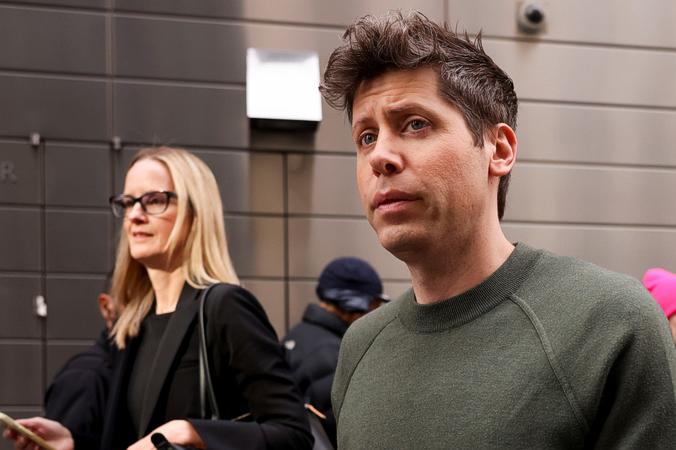
The *New York Times* and *The Daily News* have accused OpenAI of misleading the court about its ability to search customer chat logs and training datasets for copyrighted material. This marks the latest development in a two-year-old lawsuit against the AI company, which alleges that OpenAI violated copyright law by training its generative AI models on the newspapers' content and reproducing that journalism in user outputs.
Throughout the case, OpenAI has maintained that it could not search its own training corpus, arguing that retrieving and processing its vast collection of ChatGPT conversations would be technically burdensome and raise user-privacy concerns due to the need for de-identification. The plaintiffs sought this data to determine whether their copyrighted journalism appeared in OpenAI's training dataset and how often ChatGPT generated responses using or reproducing their content.
However, in an April court-ordered deposition, OpenAI data privacy engineer Vinnie Monaco reportedly revealed that the company had already conducted internal searches and evaluations of its training corpus for copyrighted works. Monaco's deposition also allegedly disclosed that, before the *Times* filed its lawsuit, OpenAI had already compiled a database of about 78 million de-identified ChatGPT conversations for internal use to assess infringement. Additionally, shortly after the lawsuit was filed, OpenAI implemented a "Bloom" filter as part of a toolset called "Project Giraffe," which detected and recorded instances of regurgitation in outputs.
These last two revelations are particularly significant. The plaintiffs originally requested a sample of 120 million chat logs, but OpenAI negotiated to reduce that to 20 million. OpenAI submitted this sample to the courts last December, but it reportedly contained so many redactions that the court deemed it "unusable." The plaintiffs also allege that OpenAI deleted billions of ChatGPT outputs after the lawsuit was filed, violating a court preservation order, and that the company substituted millions of logs in the requested sample. In essence, they claim OpenAI made it unnecessarily difficult to obtain information it had already collected.
"If OpenAI genuinely believed that copying our clients' journalism was fair and legal, it wouldn't have hid the truth about having done it," Ian B. Crosby, lead counsel for the plaintiffs, said in a statement.
Now, the *Times* and *Daily News* are asking the judge to discipline OpenAI for allegedly withholding evidence and interfering with the discovery process. They seek to prevent OpenAI from using the 20 million chat log sample as evidence, arguing it is unreliable; to accept as fact that ChatGPT logs would have shown significant regurgitation and grounding of the plaintiffs' content; to bar OpenAI from arguing that the provided chat logs do not demonstrate substantial regurgitation; and to require OpenAI to pay legal fees for the plaintiffs' efforts to obtain this evidence.
In a statement, OpenAI spokesperson Drew Pusateri denied the allegations, accusing the *Times* of trying to access private user conversations as its case weakens. "As the Times' case weakens and they've been forced to drop claims against us, they're persisting with their efforts to invade the privacy of people who have nothing to do with this case, including by making these blatantly false allegations," Pusateri said. "We'll continue defending our users' privacy and the long-established principles of fair use."
RELATED ARTICLES
Comments
Please log in to leave a comment.

No comments yet. Be the first to comment!