Nvidia Acquires Slurm Developer SchedMD to Boost Open Source AI Infrastructure
By admin | Dec 15, 2025 | 2 min read
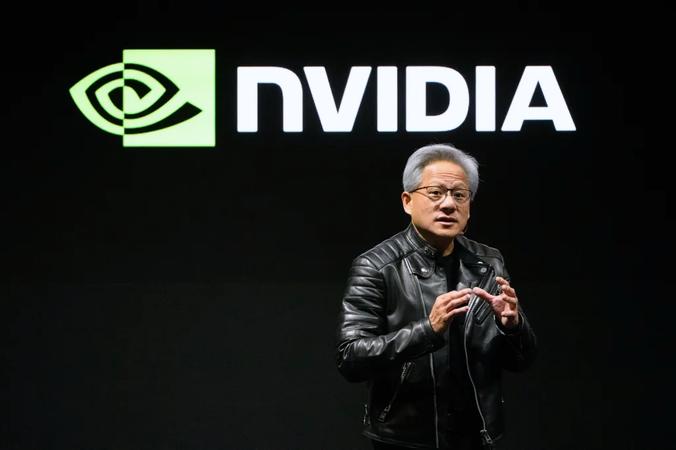
Nvidia is advancing its open source AI initiatives through both a strategic acquisition and the launch of a new model series. On Monday, the semiconductor leader revealed it has acquired SchedMD, the primary developer behind the widely-used open source workload management system, Slurm. Nvidia confirmed that Slurm will remain an open source, vendor-neutral platform, continuing to serve high-performance computing and AI applications. Originally released in 2002, Slurm’s development led to the founding of SchedMD in 2010 by its lead developers, Morris Jette and Danny Auble, with Auble currently serving as CEO. Financial details of the acquisition were not disclosed, and Nvidia has not provided additional comments beyond its official blog announcement.
The company has collaborated with SchedMD for over ten years, emphasizing in its blog that Slurm represents essential infrastructure for generative AI. Nvidia intends to maintain ongoing investment in the technology, aiming to enhance and expedite its integration across various systems.
In a parallel development, Nvidia also introduced a new suite of open AI models on Monday. Dubbed Nvidia Nemotron 3, this collection is promoted as the most efficient open model family available for developing precise AI agents. The series comprises three variants: Nemotron 3 Nano, designed for specific, targeted tasks; Nemotron 3 Super, tailored for multi-agent AI applications; and Nemotron 3 Ultra, built to handle more complex challenges.
Jensen Huang, Nvidia’s founder and CEO, highlighted the importance of open innovation in AI advancement, stating in the press release, “With Nemotron, we’re transforming advanced AI into an open platform that gives developers the transparency and efficiency they need to build agentic systems at scale.”
These moves are part of Nvidia’s broader effort to strengthen its open source and open AI portfolio in recent months. Just last week, the company unveiled Alpamayo-R1, a new open reasoning vision language model focused on autonomous driving research. Simultaneously, Nvidia expanded its resources for developers by adding workflows and guides for its Cosmos world models, which are open source under a permissive license, to facilitate the development of physical AI applications.
This focus underscores Nvidia’s strategic bet that physical AI represents the next major frontier for its GPU technology. By enhancing its open offerings, Nvidia aims to position itself as the preferred provider for robotics and autonomous vehicle companies seeking the AI and software capabilities to power their intelligent systems.
RELATED ARTICLES


Comments
Please log in to leave a comment.
No comments yet. Be the first to comment!