OpenAI Revamps Codex with Major Updates to Challenge Claude Code's Dominance
By admin | Apr 16, 2026 | 3 min read
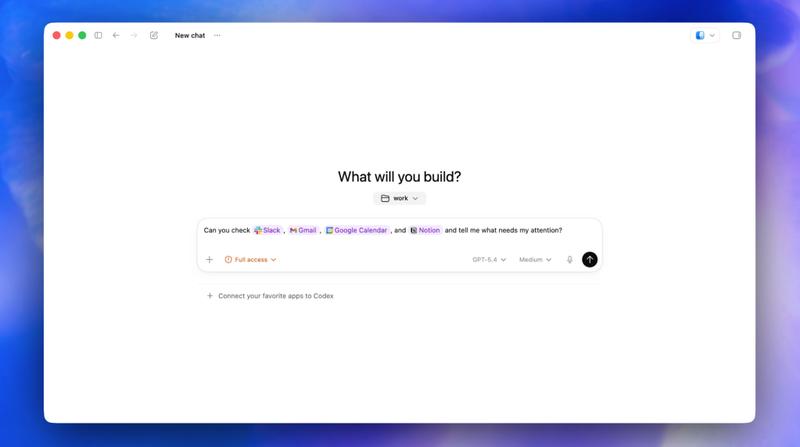
A subtle rivalry is unfolding between OpenAI and Anthropic in the race to deliver the most capable and user-friendly AI coding tools, with Anthropic currently holding an edge. This week, OpenAI unveiled a major overhaul of its automated tool, Codex, introducing a suite of updates that substantially broaden its functionality.
EMBED_PLACEHOLDER_0
On Thursday, the company detailed numerous new features. A standout enhancement is Codex's new ability to run in the background on a computer, where it can open any desktop application and perform operations using a cursor that clicks and types. This functionality enables Codex to deploy multiple agents that work on a user’s Mac “in parallel, without interfering with your own work in other apps,” as stated in a company blog post. Essentially, because Codex operates in the background, a user can continue using their machine normally while the agent handles its assigned tasks.
According to OpenAI, this agent will act as a coding assistant that manages auxiliary duties while the user focuses on primary projects. The company suggests potential uses include “iterating on frontend changes, testing apps, or working in apps that don’t expose an API.” This agentic update, along with other new additions, signals OpenAI's ambition to not only make Codex a competitive coding assistant but also a versatile tool integrated into diverse corporate workflows.
Observers of the AI coding landscape may note that some of the capabilities OpenAI is now adding to Codex appear similar to features Anthropic previously released for Claude Code. Last month, Anthropic announced that Claude and its Cowork feature could remotely control a user’s Mac and desktop on their behalf, even when they are away from the keyboard.
Beyond the agentic tools, OpenAI's Codex now includes an in-app browser. This allows a user to issue commands to the agentic tool, which it will then execute within specific web applications. OpenAI indicates this function will be valuable for frontend and game development, with plans to eventually expand the capability so Codex can “fully command the browser beyond web applications on localhost.”
Other updates have also been introduced. A preview feature called “memory” enables Codex to recall details from previous work sessions and generate relevant context about a specific user's working style. The agent has also been granted a new image-generation ability, which OpenAI says can create product concepts, slide visuals, mockups, placeholder images, and other corporate materials.
To further extend Codex's utility, the company announced 111 new plugin integrations with apps like CodeRabbit and Gitlab Issues, allowing Codex to perform tasks involving those tools. OpenAI frames these plugins as giving Codex the ability to handle minor organizational work. For instance, it can now review your Slack channels and Google Calendar to generate a daily to-do list.
A new pay-as-you-go pricing option for Codex has been announced for ChatGPT Enterprise and business customers, an apparent move to offer greater flexibility in accessing the coding tool's services.
Once regarded as the clear industry leader, OpenAI has faced intensified competition from Anthropic in recent months, shifting focus toward enterprise capabilities and stepping back from consumer tools like its social video app, Sora 2. The company has also navigated several controversies recently, including lawsuits concerning ChatGPT's alleged impact on the mental health of some users.
RELATED ARTICLES


Comments
Please log in to leave a comment.

No comments yet. Be the first to comment!