OpenClaw Emerges as New Name for Viral AI Assistant After Legal Rebranding
By admin | Jan 30, 2026 | 3 min read
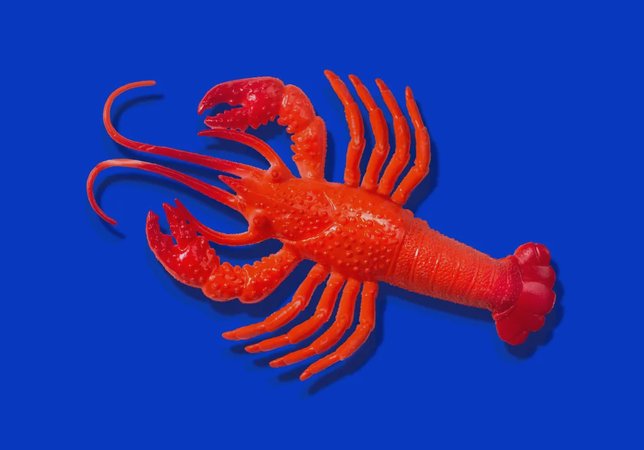
The personal AI assistant that gained viral attention, previously called Clawdbot, has undergone another name change. Following a legal challenge from Anthropic, the creator of Claude, it temporarily rebranded as Moltbot before finally adopting the name OpenClaw. This latest rebranding was not initiated by Anthropic, which chose not to comment on the matter.
This time, the project's original creator, Peter Steinberger, proactively worked to avoid any copyright complications. In a blog post, he announced, "The lobster has molted into its final form." The concept of molting, which is how lobsters grow, had also inspired the previous short-lived name. However, Steinberger admitted on X that the Moltbot name "never grew" on him, a sentiment others shared.
This rapid succession of names underscores the project's early stage, despite its remarkable traction of over 100,000 GitHub stars in just two months. Steinberger explained that the new name, OpenClaw, honors the project's origins and its community. "This project has grown far beyond what I could maintain alone," he noted.
The community has already fostered creative spin-offs, such as Moltbook, a social network where AI assistants can interact. This platform has captured significant interest from AI researchers and developers. Andrej Karpathy, former AI director at Tesla, described the phenomenon as "genuinely the most incredible sci-fi takeoff-adjacent thing I have seen recently." He observed that users' AI assistants "are self-organizing on a Reddit-like site for AIs, discussing various topics, e.g. even how to speak privately."
Similarly, British programmer Simon Willison called Moltbook "the most interesting place on the internet right now" in a recent blog post. On this platform, AI agents exchange information on diverse topics, from automating Android phones via remote access to analyzing webcam streams. The network functions through a skill system of downloadable instruction files that guide OpenClaw assistants.
Willison pointed out that agents post in forums named "Submolts" and even have a built-in mechanism to check for updates every four hours. However, he warned that this "fetch and follow instructions from the internet" model carries inherent security risks.
Steinberger, who returned to work on AI after stepping away from his previous company, PSPDFkit, initially developed Clawdbot as a personal project. OpenClaw, however, has evolved into a collaborative effort. This broader support is crucial for the project to realize its ambitious goal: enabling users to have a personal AI assistant that runs on their own computer and operates within their existing chat applications.
Despite this vision, significant security hurdles remain. The current advice is to avoid running OpenClaw outside a controlled environment and certainly not to grant it access to primary accounts on platforms like Slack or WhatsApp. Steinberger acknowledges these concerns, thanking security experts for their work and stating that "security remains our top priority." The latest version, released with the rebrand, includes some initial security improvements.
Nevertheless, some challenges, like prompt injection attacks, are industry-wide issues that OpenClaw cannot solve alone. "Remember that prompt injection is still an industry-wide unsolved problem," Steinberger wrote, directing users to a set of security best practices. Implementing these practices requires considerable technical skill, indicating that OpenClaw is currently best suited for early adopters and tinkerers, not the general public.
As excitement around the project grows, its maintainers have amplified their warnings. A top maintainer using the nickname Shadow posted on Discord, "if you can’t understand how to run a command line, this is far too dangerous of a project for you to use safely. This isn’t a tool that should be used by the general public at this time."
Achieving mainstream adoption will require both time and funding. OpenClaw has begun accepting sponsorships with lobster-themed tiers ranging from "krill" at $5 per month to "poseidon" at $500 per month. The sponsorship page clarifies that Steinberger "doesn’t keep sponsorship funds," but is instead "figuring out how to pay maintainers properly - full-time if possible."
Leveraging Steinberger's reputation and vision, OpenClaw has attracted sponsors including notable software engineers and entrepreneurs. These include Dave Morin of Path and Ben Tossell, who sold his company Makerpad to Zapier in 2021. Tossell, now a tinkerer and investor, sees significant value in the project's mission to put the potential of AI directly into people's hands.
RELATED ARTICLES


Comments
Please log in to leave a comment.

No comments yet. Be the first to comment!