AI Energy Crisis: Power Shortages Threaten Half of Planned Data Centers
By admin | Mar 20, 2026 | 3 min read
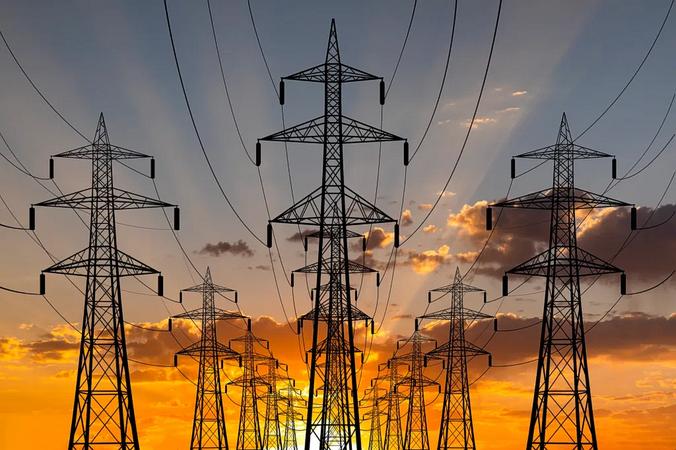
Venture capitalists have significantly increased their funding for AI startups, pouring more than half a trillion dollars into the sector over the past five years. However, a recent analysis suggests that the most strategic investment opportunity now may actually lie in energy infrastructure.
Researchers have identified that up to 50% of announced data center projects could face delays, with access to sufficient power being a primary cause. Out of 190 gigawatts of data center capacity being tracked, only 5 gigawatts are currently under construction. Last year, just 6 gigawatts of projects became operational, while a much larger portion—approximately 36%—experienced timeline setbacks in 2025. These holdups are likely to impact large enterprises and other businesses relying on AI, creating a supply-demand imbalance that presents a clear opening for investors.
Major technology firms such as Google and Meta are already allocating substantial resources to develop solar, wind, and nuclear projects. These companies are also fostering emerging technologies, like Form Energy’s 100-hour battery, through direct investments and partnerships with utilities to speed up deployment. Meanwhile, numerous startups are focusing on solutions to the power challenge. Companies like Amperesand, DG Matrix, and Heron Power are innovating in power conversion, while others such as Camus, GridBeyond, and Texture are creating software to optimize electricity management.
Power availability remains one of the most critical bottlenecks for data centers, a limitation that is not expected to ease soon. Goldman Sachs forecasts that AI will increase data center power consumption by 175% by 2030. These grid shortages, unprecedented in modern times, are already raising electricity prices nationwide, prompting tech companies to seek alternative power strategies for their data centers.
EMBED_PLACEHOLDER_0
Companies like Amazon, Google, and Oracle are actively reducing their grid dependence. Several new data centers are being designed to use on-site power or a hybrid model that combines on-site generation with grid connections. Although less than a quarter of projects with an identified power source plan to use on-site or hybrid systems, these represent 44% of total planned capacity. This shift is partly driven by shortages in power generation equipment, such as gas turbines, and an outdated electrical grid, creating opportunities for alternative energy sources.
Google’s recent agreement to power a new data center in Minnesota illustrates one innovative approach, combining wind and solar with a massive 30 gigawatt-hour battery from Form Energy. The company also collaborated with Xcel Energy to establish a new rate structure intended to promote the integration of new technologies into utility planning. Form Energy’s battery is just one example; grid-scale storage is set to capture a significant share of the power market. The U.S. Energy Information Administration estimates that the country will have nearly 65 gigawatts of battery storage capacity by the end of this year. Capitalizing on this momentum, Form Energy is preparing to raise a $500 million round ahead of a potential IPO.
Energy supply is only one part of the equation. Once electricity reaches the grid or a data center, it must be efficiently managed—a task largely handled by transformers. Most current transformers rely on a 140-year-old design using iron cores wrapped in copper wire. While reliable, this technology is becoming too bulky for rising data center power demands. Consequently, investors are increasingly supporting solid-state transformer startups, which use silicon-based power electronics to replace traditional iron-and-copper units. Although more expensive upfront, these transformers are versatile enough to consolidate multiple pieces of data center equipment, potentially making them cost-competitive overall.
Investments in battery and transformer companies have been notably smaller than the massive funding rounds seen in AI. This scale can be advantageous, offering more manageable opportunities for investors. Furthermore, as electrification expands across transportation and heavy industry, power demand will continue to grow, providing a strategic hedge against a potential downturn in AI. In the end, the most insightful AI investment might not be in AI technology itself, but in the energy infrastructure that powers it.
RELATED ARTICLES



Comments
Please log in to leave a comment.

No comments yet. Be the first to comment!