Wispr Flow Targets India's Booming Voice AI Market, Tapping Into Multilingual Messaging and Search Habits
By admin | May 10, 2026 | 3 min read
India's internet users are already deeply accustomed to voice notes, voice search, and multilingual messaging. But turning these habits into a scalable AI business remains a tough nut to crack, given the country's linguistic diversity, code-switching tendencies, and patchy monetization landscape. Wispr Flow believes the opportunity is worth pursuing. The Bay Area-based startup, which develops AI-powered voice input software, reports that India has become its fastest-growing market, even though voice-based AI products are still nascent and fragmented across the South Asian nation.
This growth has prompted Wispr Flow to double down on Indian users, starting with Hinglish—a blend of Hindi and English commonly used in everyday conversations. The company also plans to roll out broader multilingual voice support, hire locally, and eventually lower its pricing to reach beyond white-collar professionals and into Indian households. Earlier voice technology waves in India—from digital assistants to WhatsApp voice notes—were mostly about convenience. Now, AI startups like Wispr Flow are betting that generative AI can transform these habits into a more comprehensive computing layer.
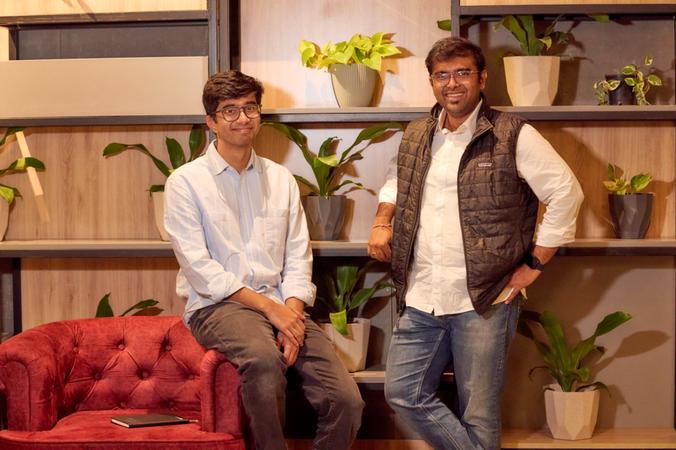
To make its product more relevant for Indian users, Wispr Flow began beta testing a Hinglish voice model earlier this year and launched on Android—the dominant mobile operating system in India—after initially debuting on Mac and Windows before expanding to iOS in 2025. According to Kothari, India has emerged as Wispr Flow’s second-largest market after the U.S., both in terms of users and revenue, with growth accelerating following the startup’s recent India-focused push. The rollout of Hinglish support has driven faster growth, capitalizing on the widespread habit among Indian users of mixing Hindi and English in daily conversations, especially as people began using the product for personal communication rather than just work.
“The biggest thing is people are starting to use it more in personal apps,” Kothari said, pointing to platforms like WhatsApp and social media where users frequently switch between Hindi and English while speaking. Wispr Flow was growing about 60% month-over-month in India earlier this year, but that rate accelerated to around 100% after its recent India launch campaign. Last month, the startup launched a broader marketing push in the country, including a launch video from Kothari and offline campaigns in Bengaluru aimed at introducing the product to mainstream users.
In December, the startup introduced India-specific pricing at ₹320 (about $3.4) per month for annual plans—significantly lower than its standard $12 monthly pricing globally. The company eventually wants to bring costs down further, potentially to ₹10-20 (around 10-20 cents) per month, as it aims to expand beyond white-collar and urban users. “I want every single person in the country to be able to use Wispr Flow, and that’s what we’re really building for,” Kothari said. “That’s going to happen slowly and steadily.”
Earlier this year, Wispr Flow hired Nimisha Mehta to lead its India operations as it looks to expand its local presence. The startup currently has about 60 employees globally.
EMBED_PLACEHOLDER_0
**India’s voice AI challenge**
Wispr Flow isn’t alone in seeing India as a key market for voice-based AI products. Companies like ElevenLabs have long highlighted India as an important growth market. Similarly, local startups such as Gnani.ai, Smallest AI, and Bolna continue to attract investor interest as voice-based AI tools gain wider adoption across consumer and business use cases. Still, turning voice AI into a mainstream consumer product in India remains challenging, despite growing interest from startups and investors.
According to Sensor Tower data, Wispr Flow’s mobile app was downloaded approximately 2.5 million times globally between October 2025 and April 2026, with India accounting for 14% of installs during that period, making it the startup’s second-largest market by downloads (after the U.S.). However, India contributed only around 2% of Wispr Flow’s in-app purchase revenue during the same period, according to Sensor Tower. Nonetheless, the startup remains largely desktop-driven globally. Kothari said Wispr Flow’s usage in India is currently split roughly 50:50 between desktop and mobile, compared with an 80:20 desktop-heavy mix in the U.S.
Kothari noted that Wispr Flow sees strong repeat usage among its users, claiming roughly 70% retention after 12 months globally and in India. Moreover, the startup currently employs two full-time linguistics PhDs as it continues refining multilingual voice models and expanding support for additional Indian language combinations.
RELATED ARTICLES


Comments
Please log in to leave a comment.

No comments yet. Be the first to comment!