Anthropic Confirms Wet Biology Lab to Run Physical Experiments With AI Models in Push to Cure Diseases
By admin | Sep 18, 2026 | 2 min read
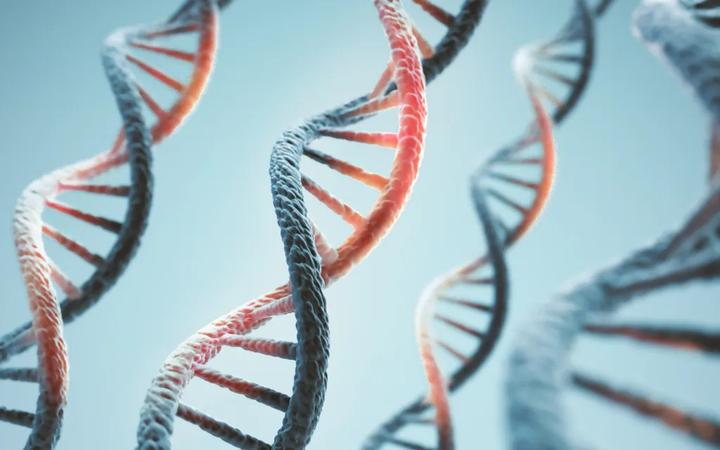
Anthropic has verified the existence of a wet biology laboratory, where its AI models can be utilized to conduct physical experiments. Prominent figures in AI have long asserted that artificial intelligence holds the key to curing human diseases. Just last week, Dario Amodei expressed his belief that AI could cure most major diseases within the next 5-10 years. For that to happen, a large language model would need ways to test its hypotheses in the physical world.
"We believe that to do biology, the final test is still, and will be for a while, in real lab work," Eric Kauderer-Abrams, Anthropic's head of life sciences, told Reuters. "We absolutely are doing that today." He went on to say that the lab functions much like any other biotech lab: Anthropic carries out some research internally while also collaborating with external partners.
This development likely shouldn't come as a surprise. In April, Anthropic acquired Coefficient Bio, a stealth AI biotech company. The company declined to disclose what the wet lab is working on, only stating that it is not centered on drug discovery. Anthropic is keen to avoid appearing as though it is competing with the pharmaceutical industry, where it has numerous major customers and partners. For example, it recently announced a partnership with Novo Nordisk for joint drug discovery efforts. Anthropic has already encountered criticism for releasing products that were seen as competing with those of its customers.
With that in mind, Anthropic also introduced a Life Sciences Verification Program this week, designed to give vetted biological researchers access to its most advanced models.
Meanwhile, the world is still processing the resignation of Anthropic researcher Jacob Coxon, who cautioned that "the people building AI earnestly believe that it could kill us all by the end of the decade." Anthropic's own alignment lead estimated the probability at greater than 10% that AI could bring about human extinction within the next ten years. The intensity of these concerns has grown to the point that CEO Dario Amodei published a post last weekend urging the industry to slow down and adopt self-regulation. He has consistently identified bioterrorism as one of AI's most significant risks.
The contrast between these alarming warnings and the wet lab has drawn attention across the tech industry. Investor and AI coding startup founder Chamath Palihapitiya posted on X, with a somewhat sarcastic tone: "The group behind such hits as: 'We're All Going To Die' and 'Regulate Me Now' are building a wet lab in SF. I do not recommend this."
RELATED ARTICLES



Comments
Please log in to leave a comment.
No comments yet. Be the first to comment!