OpenAI Launches ChatGPT Wallet Feature That Lets AI Agents Shop and Complete Purchases for You
By admin | Nov 13, 2026 | 2 min read
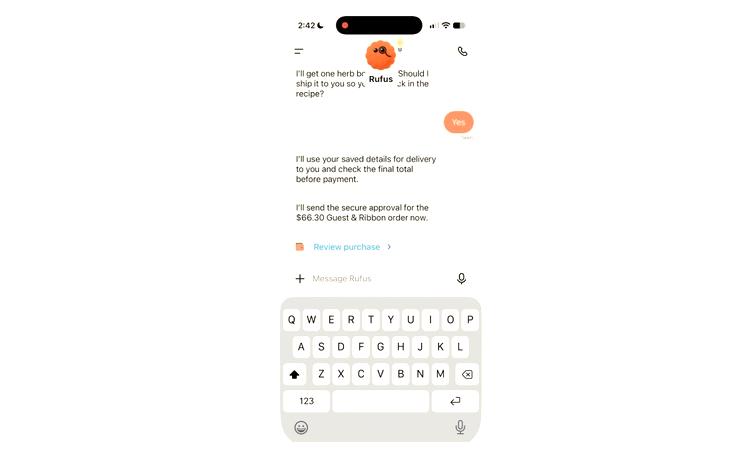
ChatGPT has expanded into shopping. On Friday, OpenAI introduced a new wallet feature that enables its agents—referred to as "dots"—to assist users in deciding what to purchase and then complete the transaction on their behalf.
The feature will initially be rolled out to a limited group of U.S. ChatGPT Pro subscribers who are 18 or older and hold a U.S.-issued Visa, Mastercard, or American Express card. According to OpenAI, users retain full control over purchases: they can review the items, the total cost, and the payment card before checkout. Additionally, purchases must be approved through a security check such as Face ID or a fingerprint, which generates a transaction record.
This launch reflects broader efforts by consumer-facing AI tools to find the right product-market fit in helping people complete tasks more efficiently. While companies like DoorDash and Uber have reported low volumes of orders placed by AI agents so far, Meta's Muse—now with over 10 million users—has seen AI-assisted shopping become one of its most popular activities. Other personal AI agents, such as Instinct, also support making purchases on users' behalf. Given this landscape, OpenAI's move into agentic shopping is a natural step.
To begin, ChatGPT subscribers add their eligible payment cards to the new ChatGPT Wallet and then ask their dot to help with a purchase. This is a one-time setup—users don't need to re-enter payment details for each transaction. When a purchase is made, ChatGPT's Wallet charges the selected card using a payment token, which substitutes for the user's actual card details so that sensitive information isn't shared with the dot or the merchant. The merchant automatically receives what's needed to fulfill the order from the dot, including shipping address and contact information, OpenAI says. The company also notes that customers shopping via their dots will still earn credit card rewards and benefit from standard card protections, such as the ability to dispute transactions.
The limited initial availability will allow OpenAI to test and refine the feature before a broader rollout. In the future, the company plans to give users more control by enabling spending limits and other parameters around purchase categories or time periods, allowing them to pre-approve purchases that their agent can then handle more autonomously. OpenAI also aims to expand the agentic shopping feature to more retailers. This could prove challenging in some cases, as certain retailers are blocking AI agents from their sites—Amazon, the largest retailer to do so, is steering users toward its own AI agent, Alexa, instead.
To help retailers adapt to agentic commerce, OpenAI has also published a Commerce Partner Playbook offering tools and guidance for sites that want to support customers using agents.
RELATED ARTICLES



Comments
Please log in to leave a comment.

Современные технологии и оборудование — Обеспечение качества материалов и соблюдение стандартов по всей стране https://loldentrnd.ru/bone_substitutes