GRAI Launches AI Music Platform for Remixing and Sharing Tracks
By admin | Apr 21, 2026 | 8 min read

Today's AI music companies, such as Suno and Udio, provide technology that uses artificial intelligence to create music. However, a new startup called GRAI holds a different view: it believes most people aren't interested in generating music entirely from scratch with AI. Instead, they prefer activities like remixing songs, sharing those mixes with friends, or simply having fun by altering a track's style. Naturally, artists should have the final say over whether and how their work can be modified. GRAI, a music lab that has just secured $9 million in seed funding, aims to give that control to artists while also harnessing AI to change how people interact with music. Founded by a Belarusian team that previously sold their video app VOCHI to Pinterest, GRAI is testing new AI music products. Currently, these include the iOS remixing app Music with Friends and an AI music playground for Android. These apps, along with others that may launch later, will help the company understand how consumers want to engage with music beyond just AI creation or passive listening.

"The core idea behind our company is exploring what comes next in AI-driven music interaction and consumption," explains Ilya Liasun, co-founder and CEO of GRAI, who is currently based in Poland with much of the team. He points out that the founders started GRAI primarily because music remains one of the last major consumer areas that hasn't embraced a "creator-first" approach. "We see several issues—discovery is flawed, listening is passive, and there's almost no social context," Liasun observes. At the same time, he disagrees with fears that AI will harm artists and labels. Instead, the GRAI team believes AI can open up new ways to engage with music that go beyond simply generating tunes. The company plans to target Gen Z and Gen Alpha users, who often discover music through cultural channels like friends, fandoms, and short-form content such as TikTok. These users typically don't aspire to be creators or producers; they just want to participate in some way.

To support its social apps, GRAI has developed its own taste and participation graph, along with dedicated infrastructure. It is building a "derivatives pipeline" and real-time audio systems designed to maintain the identity of original tracks while enabling transformations. As Liasun describes it, the company's objective is to collaborate with artists and their labels to make this kind of activity legal. The end goal isn't to flood streaming services with low-quality AI-generated music. "We don't want to share new genAI slop to the streaming service. We actually focus on the interaction part," Liasun states.

The concept is that users can experiment with tracks within GRAI's apps—perhaps remixing a favorite song or changing its style. Ultimately, these modified tracks could generate a new stream of royalty payments for artists and labels. The company emphasizes that it did not begin building its social apps before seeking permission from labels. Instead, Liasun notes, it is engaging with labels first. "The main idea here is that we want to build a future system in which artists will have the ability to opt in and opt out." This principle is central to GRAI's philosophy: "first, ask owners, and then integrate it." (Liasun chose not to disclose whether any agreements are already in place or with which companies.)
If this type of music remixing gains popularity, GRAI believes it could help users discover new artists and songs outside of major platforms like Reels, TikTok, or YouTube. Through its initial apps, GRAI hopes to gather consumer feedback—even negative responses—to help identify what works and what doesn't.

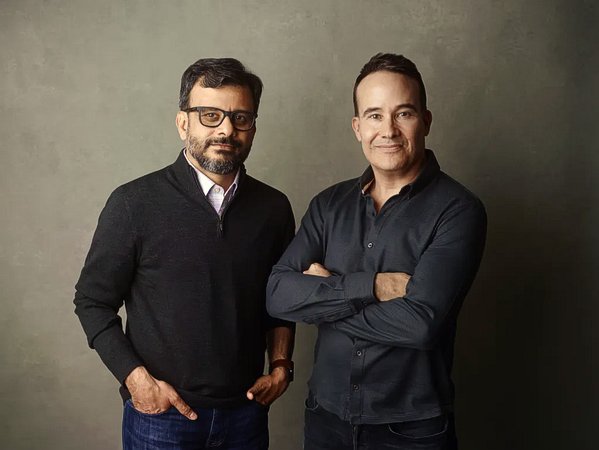
The company, co-founded by CTO Dima Kamarouski and President Andrei Avsievich, has now raised $9 million in seed funding. The round was co-led by Khosla Ventures and Inovo vc. Additional investors include Tensor Ventures, Tiny.vc, Flyer One Ventures, the a16z Scout Fund, and several angel investors such as Andrew Zhai (ML in Cursor, co-founder of Genova Labs, ex-Pinterest); Greg Tkachenko (founder of Unreal Labs, ex-Snap); Rob Reid (Founder of Rhapsody); and Dima Shvets (of MirAI and Reface).
RELATED ARTICLES

Comments
Please log in to leave a comment.

Процесс упаковки груза для морской перевозки по ГОСТ 15846-2002 https://yaschiki.ru/upakovka-press-form-dlya-otpravki-v-kitai/ Главная / Другое / Какие существуют виды деревянной тары для перевозки грузов? Коробки из картона https://yaschiki.ru/product/derevyannii-yashchik-2300-1600-1500/ Особо востребованы фанерные ящики, что объясняется: Укладываем силикагель согласно нормам ГОСТ https://yaschiki.ru/morskaya-upakovka-oborudovaniya/ На раскрепленный груз надеваем заранее изготовленный под габариты груза чехол из вакуумной металлизированной пленки и спаиваем его с подложкой оставляя небольшое отверстие https://yaschiki.ru/product/derevyannii-yashchik-1200-1200-750/ Через отверстие выкачиваем весь воздух, создавая внутри упаковки вакуум https://yaschiki.ru/uslugi/upakovka-v-termousadochnuyu-plenku/ Запаиваем отверстие https://yaschiki.ru/obreshetka-gruza-v-irkutskuyu-oblast/ Преимущества работы с нами: