Meta Launches Muse Image AI With Controversial Feature That Lets Users Generate Images Using Public Instagram Photos
By admin | Jul 09, 2026 | 2 min read
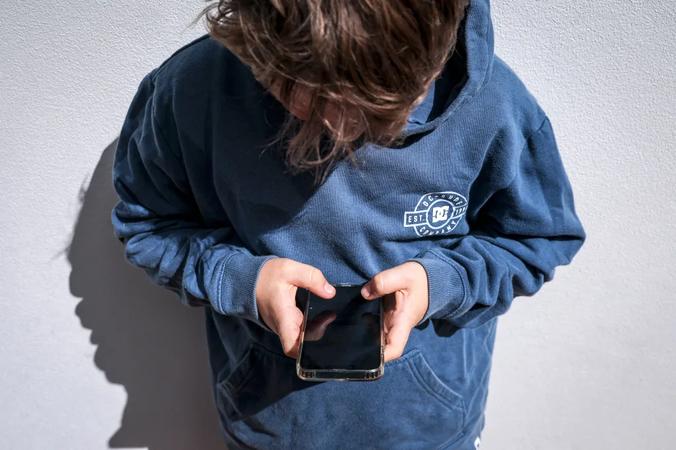
On Tuesday, Meta unveiled "Muse Image," a new AI-powered image generation tool that lets users create original pictures, edit existing photos, and even craft custom ads directly within its apps. But one particular feature has quickly sparked intense debate. Muse Image enables users to generate AI images by pulling photos from public Instagram accounts. If a person's profile is set to public, anyone can tag that account and incorporate their images into an AI-generated creation. (Only private accounts and those belonging to users under 18 are automatically excluded from this feature.)
A major concern here revolves around consent. Many users may have no clue that their publicly shared photos can be used by strangers to create AI images, and they receive no notification when someone repurposes their content. Moreover, making it easy to manipulate people's images opens the door to potential misuse, including harassment, impersonation, and non-consensual editing. If you'd like to opt out, here's how you can do it:
**How to opt out of Meta's Muse Image generator**
Go to your profile and tap the three horizontal lines in the top-right corner. Select "Sharing and reuse." Then look for the option that says, "Allow people to create with and reuse your content." Toggle it off for both posts and reels.
Muse Image arrives as AI tools become increasingly embedded in social media platforms. As tech companies race to launch new generative AI features, many experts argue that stronger privacy safeguards and greater transparency are essential, so users fully understand how their photos and personal data are being used. Public skepticism about AI is already running high. According to a Pew Research Center survey, 35% of respondents said they feel more concerned than excited about the growing use of artificial intelligence.
Additionally, Meta's track record on user privacy has only fueled doubts about its latest AI feature. In 2019, the U.S. Federal Trade Commission (FTC) imposed a $5 billion fine on Facebook, concluding that the platform had violated a 2012 consent order by misleading users about how much control they had over their personal information. This followed a high-profile scandal in which political consulting firm Cambridge Analytica accessed data from up to 87 million Facebook users through a personality quiz app, exploiting platform policies that allowed developers to collect information about those users' friends without their knowledge or explicit consent.
RELATED ARTICLES

Comments
Please log in to leave a comment.

No comments yet. Be the first to comment!