U.S. Government Tightens AI Control: OpenAI’s GPT 5.6 Faces Limited Release Amid Regulatory Crackdown
By admin | Jun 26, 2026 | 3 min read
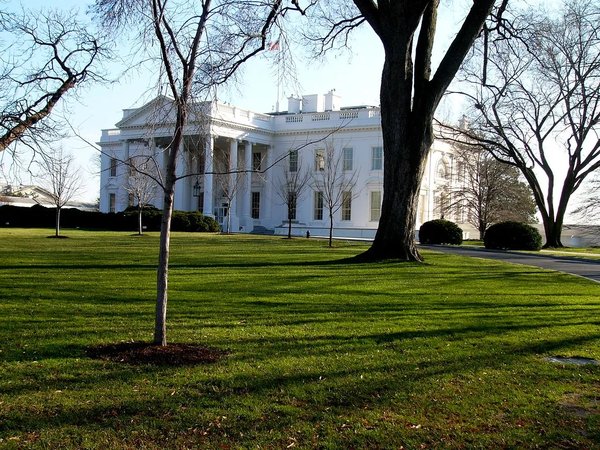
The U.S. government is preparing to take significant control over which AI models can be released to the public. Just two weeks after it blocked Anthropic’s Fable and Mythos models, OpenAI’s latest offering appears destined for a similar holding pattern. On Thursday, The Information reported that GPT 5.6 will only be made available in a limited preview, with the government approving each customer individually before a broader release can be greenlit. If this preview phase lasts only a "couple of weeks," as Sam Altman reportedly suggested, the impact might be manageable. However, Mythos has been stuck in preview for months with no clear path to full release. Even a brief review period could significantly hurt the financial returns of an expensive new system, especially as AI labs struggle to improve their bottom lines. If model development slows as a result, the ongoing data center expansion could also face a chill. If things go poorly, the entire industry could be at risk.
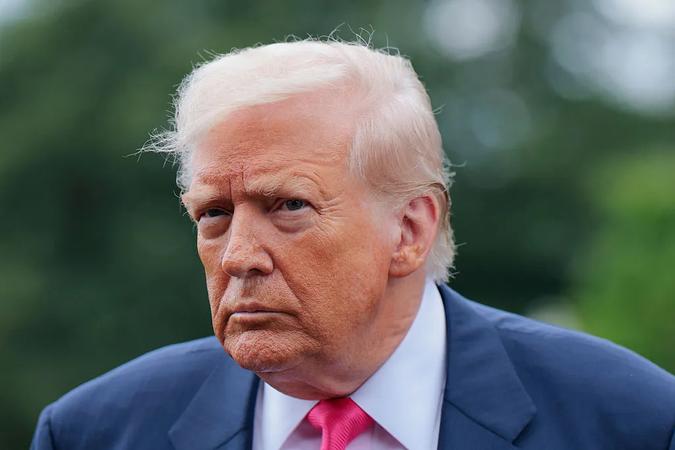
Crucially, OpenAI and Anthropic now find themselves in the exact same situation, facing identical challenges and the same potential disaster if they fail. Conversations within the tech industry often focus on assigning blame—accusing Anthropic of regulatory capture or alleging that OpenAI is cozying up to the Trump administration to sideline a competitor. This is understandable, given that many prominent figures have billions of dollars riding on one company or the other. But what is unfolding now goes beyond such rivalries. The costs of implementing a haphazard government approval process for every frontier model are clear, and no fix can benefit one lab without helping the others.
The most immediate challenge is establishing a release process that actually makes sense. It is perfectly reasonable for the government to test models before they are released—this is standard practice for many consumer products. However, as Dean Ball, a fellow at George Mason University and soon-to-be OpenAI employee, outlined in a thoughtful post this morning, it remains unclear what kind of safety assurances would satisfy regulators. The U.S. government lacks the expertise and capacity for the kind of testing required here. Moreover, regulators have not even defined what risks they are trying to guard against, as there has been no effort to articulate their actual concerns.
It is tempting to view the government process as the entire problem, but there are genuine underlying issues. Even if you dismiss the hype around Mythos, there is clear evidence that AI tools are revolutionizing cybersecurity. Similar dynamics are at play in areas like biorisk and alignment. Restricting model releases cannot be the sole solution—it will only limit what is available to the public—but real concerns do need to be addressed. The best approaches, as Ball suggests, will require collaboration. This means trusting independent groups to guide the process, even if their goals do not perfectly align with yours. It means rallying behind the least-bad regulatory options rather than fighting every regulation tooth and nail. Above all, it means advocating for AI as an industry, rather than treating safety and regulation as opportunities to gain a competitive edge.
For many people working in AI, this will be a tough sell. Unfortunately, AI models have advanced to the point where their capabilities carry real political consequences. Addressing those consequences will demand collective action. In the weeks ahead, we will discover whether the industry is capable of rising to that challenge.
RELATED ARTICLES
Comments
Please log in to leave a comment.
No comments yet. Be the first to comment!