Nvidia-Backed Open Secure AI Alliance Debuts SAFE Working Group to Share Threat Findings at Black Hat
By admin | Aug 04, 2026 | 3 min read
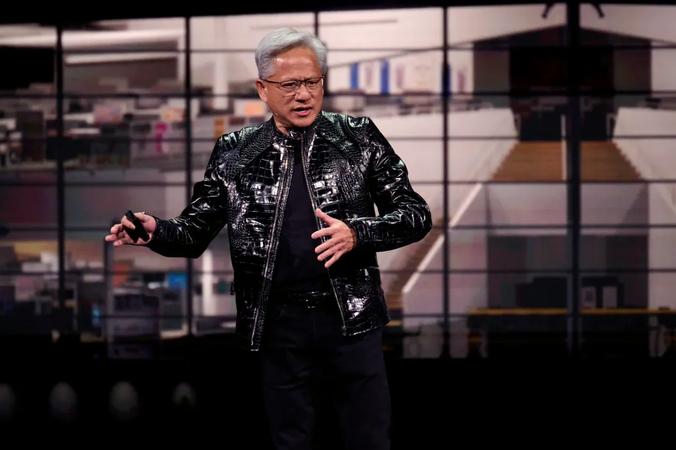
The Open Secure AI Alliance (OSAA), an industry initiative led by Nvidia that has quickly attracted over 120 member companies in just its first week, has launched a working group with a catchy name: the Shared AI Findings Exchange, or SAFE. This group is already putting forward proposals for public feedback, with The Linux Foundation—itself a member—handling the management of these submissions. The proposals were crafted while members convened at the Black Hat conference, the premier cybersecurity gathering happening this week in Las Vegas.
The guidelines themselves aren't revolutionary at this stage. They address practical topics such as how to confidentially report AI cybersecurity incidents, notifying affected parties, and conducting blame-free post-incident reviews so that lessons can be shared across the industry. In parallel, OSAA members are contributing and cataloging pieces of their open source technology that could prove valuable. As is often the case with industry coalitions, these efforts may eventually crystallize into an open source framework that helps enterprises secure their AI agents or defend against malicious AI actors—like the OpenAI model that managed to infiltrate Hugging Face, which is also part of this alliance.
Nvidia, for instance, points to its full lineup of open models and an open source LLM vulnerability scanner called Garak. Okta is working on agent identity technology, while Red Hat focuses on agent governance. Amazon has contributed Strands Agents, an open tool for building agents, along with Cedar, an authorization language. The list goes on. The alliance now boasts a roster of major players, including Adobe, BlackRock, Cisco, Intel, Microsoft, and Visa—though some notable names are missing, such as Anthropic, OpenAI, and Google. Interestingly, both OpenAI and Google signed the original open letter that gave rise to this group. That letter, released last week, urged the White House to champion open source AI efforts rather than restrict them. It was spearheaded by Nvidia and backed by over 200 tech companies.
While Anthropic's reluctance to endorse the letter or join the alliance isn't unexpected, both OpenAI and Google have released their own open weight models, and Google is widely recognized as a staunch supporter of open source. It remains to be seen whether they'll come on board as the group gains traction. In the meantime, the alliance is moving at breakneck speed. It's been only a couple of weeks since reports emerged that the Trump Administration was weighing a ban on Chinese open weight models, sparking the industry unease that led to the letter. Regardless of how that situation unfolds in the U.S., the swift response from this heavyweight coalition seems like a positive development for the American open AI ecosystem. Some players, like the co-founder and CTO of U.S. open weight AI lab Arcee, argue that openness is ultimately the best defense against any threat—real or perceived—posed by Chinese AI labs. As the group wrote in its letter, "Openness may be one of the most important paths to AI safety and security." And they appear ready to back up those words with immediate action and tangible technology.
RELATED ARTICLES

Comments
Please log in to leave a comment.

No comments yet. Be the first to comment!