Snap's $2,200 Specs Smart Glasses Backlash: Inside the Failed Launch and What's Next
By admin | Sep 17, 2026 | 7 min read
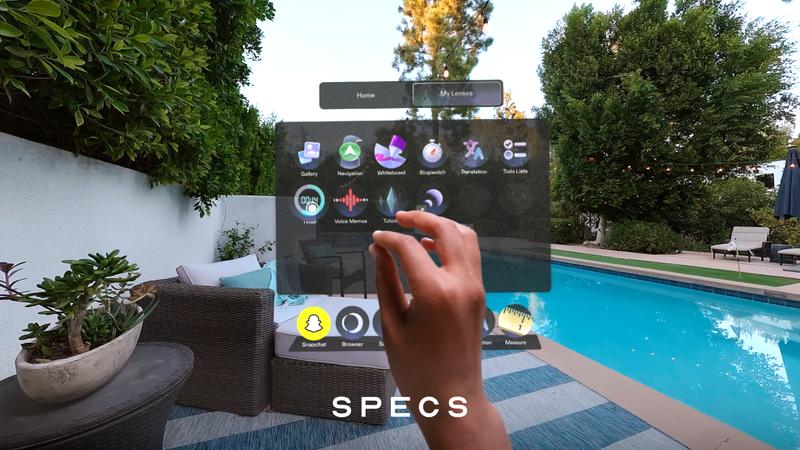
When Snap unveiled its highly anticipated smart glasses, Specs, earlier this year, the moment landed with a thud rather than a bang. The $2,200 eyewear—which bears an unfortunate resemblance to scuba equipment—drew mockery across the internet and even prompted calls for CEO Evan Spiegel to step down. The company's stock price took a serious hit in the aftermath. Since that rocky debut, Snap has evidently been searching for a way to justify why Specs—a bulky, pricey device that most everyday consumers likely can't afford—should exist at all. This week, the company finally got its opportunity to make that case. At a gathering in Los Angeles, Spiegel and fellow Snap executives pulled back the curtain on a range of new features and services tied to Specs. These updates appear deliberately crafted to weave the glasses into a wider spectrum of digital experiences, thereby giving Specs a more defined reason for being.

During Wednesday's presentation, Spiegel walked attendees through several of the new capabilities. Following a surreal promotional video that felt something like an ayahuasca trip, the CEO took the stage and launched into a series of live demonstrations. Fresh entertainment offerings—Specs can now link up with HBO Max and Spotify—deliver a foundational layer of interactive enjoyment that smart glasses have mostly been missing until this point. But the headline announcement was arguably the introduction of Specs Intelligence, which the company describes as a new "anticipatory AI" system built to work not just with its own glasses but also with users' other devices, iPhones and Macs included. According to Snap, this system "builds an understanding of your goals, priorities, relationships, and routines from the apps and tools you choose to connect, helping you focus on what matters now while making progress towards your longer-term goals."

Spiegel described the system as an "AI native operating system with intelligence designed around your projects" that assists users in "connect[ing] the dots across Lenses"—Snap's name for its AR camera effects, which work on both phones and Specs—"so you can get things done while focusing on what matters to you." In reality, it appears to operate more like an AI productivity application that can pair with Snap's glasses but doesn't depend on them. Snap also revealed a new initiative called Specs for Enterprise, which enables the device to be folded into corporate workflows. On Wednesday, the company announced alliances with several tech firms—Amazon, Salesforce, Nvidia, and others among them—aimed at making the device valuable to employees at those organizations. What's the actual practical value here, and who is this service truly meant for? The answer, apparently, is IT technicians. While the concrete use cases for Specs remain somewhat hazy, a demo video shown at the event depicted an IT technician repairing hardware with assistance from Snap's new glasses. "We're building out mobile device management, security controls, and ways to deploy and manage stacks across teams with the world's most trusted providers, bringing peace of mind to IT departments," Spiegel stated. Other announced features were a bit more puzzling. One new experience, for example, is an app created through a partnership with the NBA and WNBA that lets users practice basketball and sharpen their shot using the glasses' AR features. But realistically, who is actually going to play basketball while wearing heavy goggles on their face? Also unveiled Wednesday was a new connectivity package for anyone wanting to use Specs on the move, away from Wi-Fi—whether outside the home or the office. Sold as a separate add-on, the package features a charging case with built-in cellular connectivity. That connectivity, provided through a partnership with Verizon, runs $10 per month for Verizon subscribers and $20 per month for everyone else. Spiegel ultimately positioned Specs as a fresh approach to computing in a more human-centered form. "I will say it's an interesting time to be launching a new computer because things in tech are pretty weird right now," Spiegel remarked. "We're being told that AI will take our jobs, that virtual worlds will replace the real one. Well, no, thank you. We do not accept that future. Making people irrelevant is not progress, and computers should make us more important, not less."
Snap has consistently defended the product's jaw-dropping price tag by framing the device as a computer—just one that happens to sit on your face. Whether buyers will embrace that pitch is still an open question. The company has said it will host a Specs pop-up in Los Angeles in October, ahead of the devices shipping later this fall.
RELATED ARTICLES


Comments
Please log in to leave a comment.

No comments yet. Be the first to comment!