Public Anxiety Over AI's Impact on Jobs and Economy Grows, Experts Reveal
By admin | Apr 13, 2026 | 11 min read
A widening gap is emerging between AI specialists and the general public regarding the technology, as detailed in Stanford University's latest annual industry report released Monday. The study highlights increasing public anxiety, particularly in the U.S., focused on AI's potential effects on employment, healthcare, and the economy. This trend aligns with a broader rise in negative sentiment, with a recent Gallup poll indicating Generation Z is at the forefront of this shift. The poll revealed that younger individuals are becoming less hopeful and more resentful toward AI, despite approximately half using it on a daily or weekly basis.
For many in the technology sector, this backlash is unexpected. While AI leaders have been preoccupied with managing the risks of Artificial General Intelligence (AGI)—a theoretical superintelligent system capable of human-like reasoning—the public's primary worries are more immediate. Everyday concerns center on AI's threat to personal income and the potential for rising utility bills as energy-intensive data centers expand.
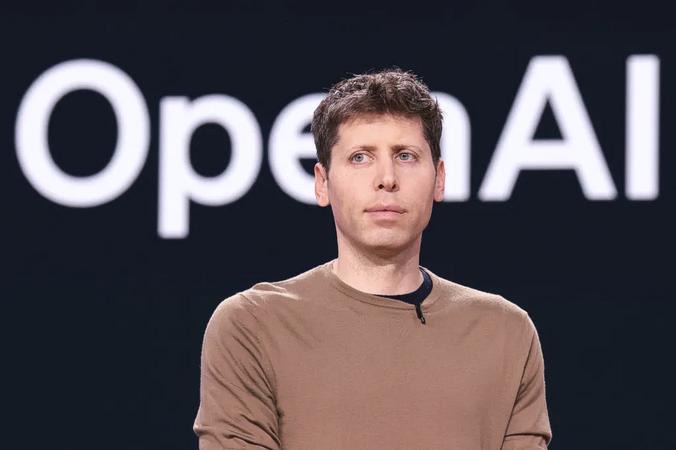
This division was starkly visible in online discussions following recent attacks on OpenAI CEO Sam Altman's home. On platforms like X, industry insiders expressed astonishment at Instagram comments that appeared to endorse the incident. The tone of some online reactions echoed sentiments seen after the 2024 shooting of a United Healthcare CEO and the more recent arson of a Kimberly-Clark warehouse by a disgruntled worker protesting low wages. Certain comments escalated to suggest that more drastic, revolutionary action might be necessary.
Stanford's report delves into the roots of this negativity by synthesizing data on public AI sentiment from various sources. It references a Pew Research study from last month, which found that only 10% of Americans feel more excitement than concern about AI's growing role in daily life. In contrast, 56% of AI experts believe the technology will positively influence the U.S. over the next two decades. The disparity is especially pronounced in specific societal areas: 84% of experts forecast a largely positive impact of AI on medical care, compared to just 44% of the American public.

A significant majority of experts (73%) also view AI's effect on work positively, whereas only 23% of the public shares this optimism. Regarding the economy, 69% of experts anticipate a beneficial impact. Given widespread reports of AI-driven layoffs and workplace disruption, it is understandable that merely 21% of the public agrees. Additional Pew Research data cited in the report shows experts are less pessimistic about AI's consequences for the job market, while nearly two-thirds of Americans (64%) expect it to reduce employment opportunities over the next 20 years.

The report also notes that trust in the U.S. government to regulate AI responsibly is the lowest among nations surveyed, at just 31%. In stark contrast, Singapore ranked highest with 81% trust, according to Ipsos data included in the Stanford study.

Examining regulatory concerns at a state level, another source found that 41% of respondents nationwide believe federal AI regulations will be insufficient, with only 27% fearing they might go "too far."
Despite these prevalent fears, AI received one positive note: the global proportion of people who believe AI products offer more benefits than drawbacks increased slightly, from 55% in 2024 to 59% in 2025.

Simultaneously, however, the share of respondents who say AI makes them "nervous" also grew, rising from 50% to 52% over the same period, according to data referenced by the report's authors.
RELATED ARTICLES

Comments
Please log in to leave a comment.
No comments yet. Be the first to comment!