FERC Orders Grid Operators to Fast-Track Data Center Interconnections
By admin | Jun 18, 2026 | 2 min read
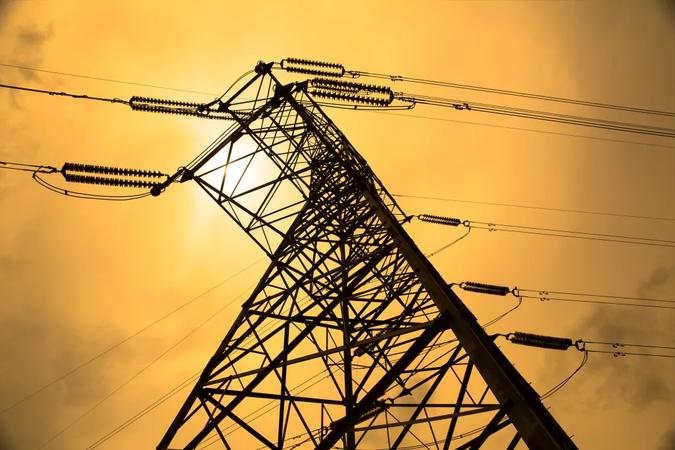
The Federal Energy Regulatory Commission (FERC) issued orders on Thursday requiring six major grid operators to expedite interconnection requests from data centers and other large-scale electricity consumers. Under these directives, grid operators must demonstrate that data centers are "able to connect to the transmission system in a timely and orderly manner." Data centers themselves will be responsible for covering the costs associated with these connections. The commissioners approved the orders unanimously.
FERC also created an opportunity for grid technology startups by instructing grid operators to consider "alternative transmission technologies." While the commission did not specify particular technologies, this directive could encompass innovations like solid-state transformers or superconducting transmission lines.
Grid operators now face a 30-day deadline to submit a report detailing their available spare generating capacity. Additionally, they have 60 days to "defend or revise" electricity rates within their respective regions. FERC also mandated that grid operators be more accommodating to behind-the-meter power solutions for data centers.
Although FERC's directives provide data centers with a faster path to grid connection, they do not address the underlying shortage of generating capacity. Grid connection delays have persisted partly because new power plants also struggle to connect. By the end of 2023, the volume of grid connection requests for power plants exceeded the total capacity of the existing power plant fleet, meaning the queue to access the grid was longer than the grid itself could theoretically serve.
Against this backdrop, electricity demand from data centers is projected to nearly triple by 2035. Grid operators, accustomed to near-zero demand growth over the past two decades, are now under significant strain. Some, like PJM—the nation's largest grid operator—have descended into a state resembling chaos, with major utilities threatening to withdraw.
Tech companies and developers, unable to secure timely grid connections in many locations, have turned to on-site or behind-the-meter power out of desperation, even though these options are typically more expensive and complex. Still, enough projects have managed to connect that electricity prices have surged in many regions. Wholesale electricity rates have risen by as much as 267% compared to five years ago, according to Bloomberg.
FERC was prompted to address this issue by Secretary of Energy Chris Wright, who warned in October that delays in data center grid connections threatened to undermine U.S. competitiveness in artificial intelligence. Since then, public sentiment toward AI and data centers has soured considerably.
Meanwhile, on Wednesday, the Trump administration announced it would pay $765 million to wind developer Invenergy to cancel offshore wind leases near California, Maine, and New York. The company stated it would use the funds to build natural gas plants in the Midwest and geothermal projects in the West. One of Invenergy's wind projects was designed to generate up to 2.4 gigawatts of power—enough, at peak output, to supply roughly 1.8 million homes. Altogether, the Trump administration has now spent approximately $2.6 billion to dismantle offshore wind developments.
RELATED ARTICLES


Comments
Please log in to leave a comment.

No comments yet. Be the first to comment!