AI Boom Sparks Natural Gas Rush as Tech Giants Secure Energy Supplies
By admin | Apr 03, 2026 | 3 min read
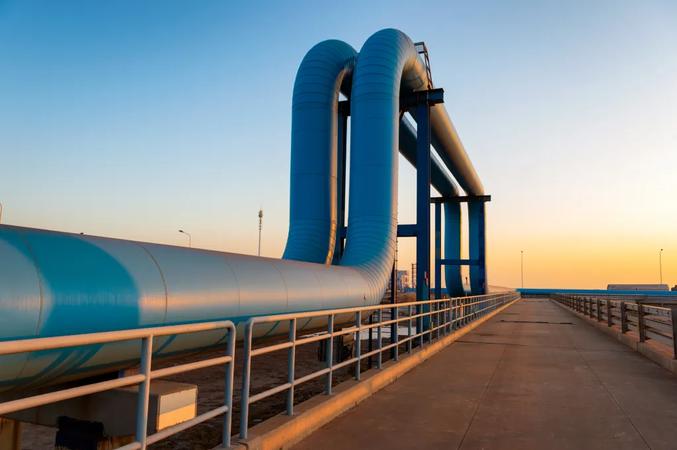
The tech industry has long been driven by the fear of missing out on the next big trend, from the dot-com boom to Web 2.0, virtual reality, and blockchain. The current AI bubble, however, is the most significant yet, and its initial scramble to secure data center power is now fueling a frantic race to lock down natural gas supplies and equipment. If trends could reproduce, the AI frenzy is already seeing its second generation.
EMBED_PLACEHOLDER_0
This week brought several major announcements. Microsoft revealed on Tuesday that it is collaborating with Chevron and Engine No. 1 to develop a natural gas power plant in West Texas, with a potential capacity of up to 5 gigawatts. Google confirmed it is working with Crusoe on a 933-megawatt natural gas plant in North Texas. Just last week, Meta announced it is adding seven more natural gas plants to its Hyperion data center in Louisiana, bringing the site's total capacity to 7.46 gigawatts—enough electricity to power the entire state of South Dakota.
These recent investments are heavily concentrated in the southern United States, a region home to some of the world's largest natural gas deposits. The U.S. Geological Survey recently estimated that one area alone contains enough gas to supply the entire country's energy needs for ten months, and every major data center operator appears eager to claim a share.
This intense competition for natural gas has created a severe shortage of the turbines needed for power plants. According to analysis from Wood Mackenzie, turbine prices are projected to surge by 195% by the end of this year compared to 2019 levels. This equipment constitutes 20% to 30% of a plant's total cost. The consultancy also notes that companies cannot place new turbine orders until 2028, with delivery timelines now stretching to six years.
This situation means tech giants are making a massive bet: that the AI boom will persist, that AI will continue to demand exponentially more power, and that natural gas generation is essential for success in this new era. The third assumption, in particular, may prove regrettable.
While U.S. natural gas supplies are currently abundant and the nation remains somewhat insulated from Middle Eastern volatility due to the high cost of shipping the fuel, these resources are not infinite. Growth in production from the three major regions—which account for three-quarters of all U.S. shale gas output—has slowed significantly recently.
The vulnerability of tech companies to price swings is unclear, as none have disclosed the specific terms of their supply agreements. Much will depend on how fixed the prices are in those contracts. Even with firm pricing, companies could still face indirect consequences. Since natural gas generates roughly 40% of U.S. electricity, according to the Energy Information Administration, electricity prices are tightly linked to gas prices.
Tech firms might temporarily avoid scrutiny by placing their gas plants "behind the meter"—connecting them directly to their data centers and bypassing the public grid. However, natural gas is a finite resource. If their ambitions grow too large, even these behind-the-meter operations could drive up power prices for everyone, a scenario we have witnessed before.
The backlash would not come only from households. Other industries that are far more dependent on natural gas and cannot yet transition to renewables—such as petrochemical manufacturing—may protest data centers consuming such a large portion of the resource. Powering a data center with wind, solar, and batteries is feasible; running an industrial plant on those alternatives is far more difficult.
Weather adds another layer of risk. A single cold winter could drastically alter the landscape by spiking residential heating demand. Wellheads can freeze, severely curtailing supply, as happened in Texas in 2021. In a shortage, suppliers would face an impossible choice: keep AI data centers operational or ensure people can heat their homes.
By securing natural gas supplies and moving behind the meter, tech companies can argue they are "bringing their own power" and not overburdening the electrical grid. In reality, they are simply shifting their demand from the electricity grid to the natural gas pipeline network. The AI gold rush has starkly highlighted the physical constraints that still underpin our digital world.
The critical question remains: does it make strategic sense to place such a massive bet on a finite resource? In their rush to avoid missing out, tech companies may ultimately come to regret this gamble.
RELATED ARTICLES


Comments
Please log in to leave a comment.

No comments yet. Be the first to comment!